Whale Watching in Samaná (2027 Season): When, How and What It Costs
Everything you need to plan a humpback whale trip to Samaná Bay, from season dates and permits to choosing a boat
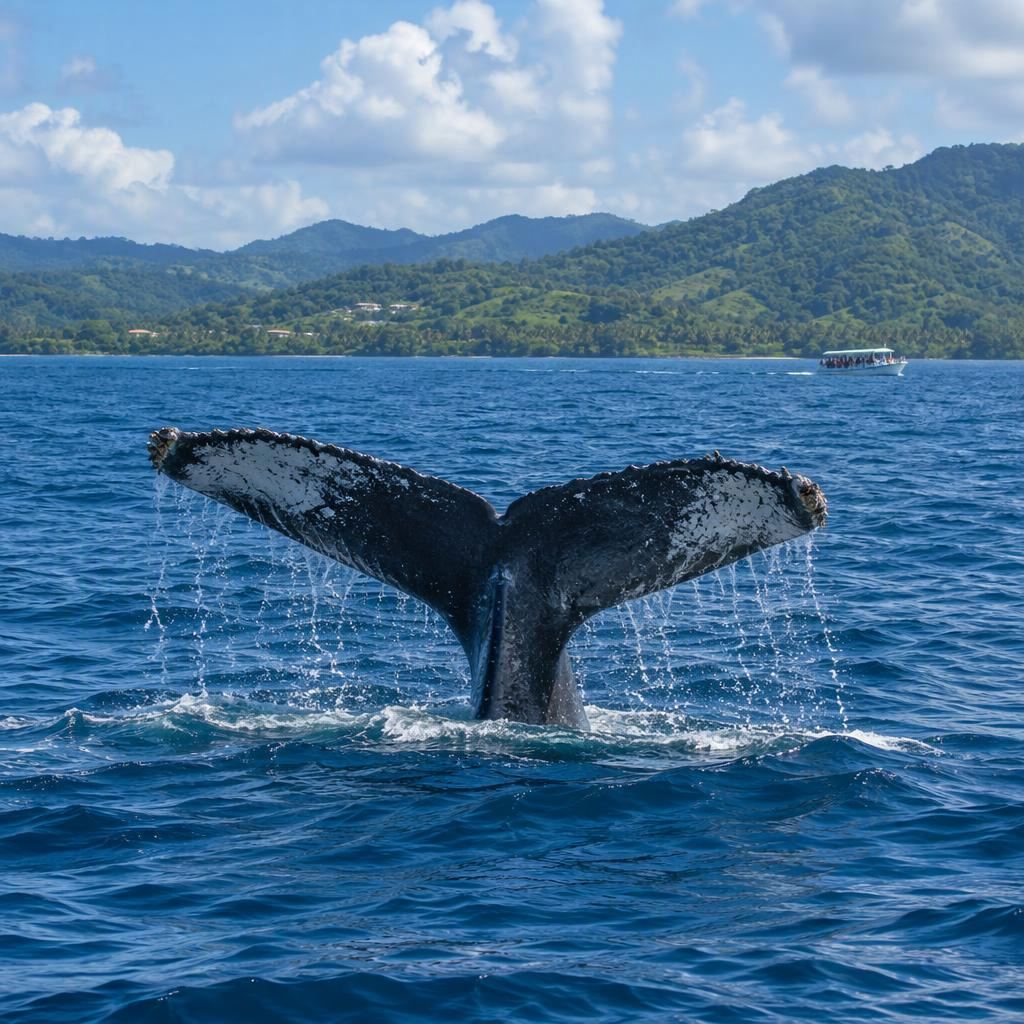
Every winter, the North Atlantic’s humpback whales swim south to the warm, shallow waters off the north-east Dominican Republic to mate, give birth and nurse their calves. Samaná Bay is the easiest place to see them: a short boat ride from town, with whales breaching, tail-slapping and singing in the bay. For many travelers it is the single best wildlife experience in the country.
This guide covers when to go, how the tours work, what they cost and how to choose a good operator.
The short version: Go between January 15 and March 31 (February is best). Base yourself in Samaná town or book a tour with pickup from Las Terrenas or Las Galeras. Expect roughly $60 to $160 per adult in 2026 plus a small sanctuary fee. Only book operators with a Ministry of Environment permit.
Why Samaná Bay
The humpbacks that summer in the feeding grounds of the North Atlantic spend the winter around the Banco de la Plata (Silver Bank), the Banco de la Navidad and Samaná Bay. These areas are protected as a marine mammal sanctuary managed by the Ministry of Environment. Researchers have catalogued at least 252 individual humpbacks here, identified by the unique patterns on the undersides of their tails.
What makes Samaná special is access. The offshore banks are hours from shore, but Samaná Bay is right on the doorstep of a town, so you can see whales on a half-day trip and be back for lunch.
When to Go
The ministry opens an official season every year. In 2025 it ran from January 15 to March 31, and the 2026 season opened in mid-January with a similar end date. The 2027 dates had not been announced as of late October 2026, so plan around January 15 to March 31, 2027, and confirm once the ministry publishes the calendar. See our whale season event page for updates.
- Mid to late January: whales are arriving; good sightings, fewer boats
- February: usually the peak for numbers and activity, and the busiest month for hotels
- March: still good, with more mothers and calves as the season winds down
Weekends are busier because Dominican families and visitors from Santo Domingo come up for the day. If your dates are flexible, book a weekday trip.
How a Tour Works
Most boats leave from the Malecón, the waterfront in Santa Bárbara de Samaná. You check in, pay the sanctuary wristband fee if it is not included, get a safety briefing and head out into the bay. Trips are a half day on the water, much of it spent watching and waiting while the captain follows the whales at a legal distance.
What you might see: males chasing a female in fast “heat runs,” breaches where a whale throws most of its body out of the water, tail and pectoral fin slaps, and mothers resting near the surface with a calf. On a quiet day you may only see blows and backs at a distance. Sightings are very likely in peak season but never guaranteed.
Many tours add a stop at Cayo Levantado, the island in the bay with calm water and a public beach, for a swim and lunch afterward. That combination is one of the best-value full days on the peninsula. See our Cayo Levantado day trip page.
What It Costs
There is no official price list; every operator sets its own fee in US dollars. Based on 2026 listings:
- Boat trip from Samaná, whale watching only: roughly $60 and up per adult
- With hotel pickup from Las Terrenas or Las Galeras, lunch or Cayo Levantado: roughly $100 to $160 per adult
- Sanctuary wristband fee: about $5 to $6 per person, often paid separately in cash
- Full-day tours from Punta Cana: more expensive, with very long road transfers
Ask exactly what is included before you pay: transport, lunch, drinks, the Cayo Levantado stop and the sanctuary fee.
Choosing an Operator
Only boats with a Ministry of Environment permit may take visitors out; 46 permits were issued for the 2026 season. Ask to see the permit, and be wary of anyone selling trips on the street without one.
Whale Samaná, founded by Canadian marine biologist Kim Beddall, is one of the longest-running operators and is well known for its educational focus. Many other permitted operators run good trips too. Look for recent reviews that mention a knowledgeable guide, a stable boat, life jackets for everyone and respect for the distance rules.
The Rules
Samaná’s regulations were introduced in the late 1990s and have been revised since. The key points:
- Boats keep at least 50 meters from adult whales and 80 meters from a mother with a calf
- No more than three boats may watch a group of whales at once; others wait farther away
- Boats slow down when approaching and put engines in neutral at observation distance
- No swimming with whales in Samaná Bay, and no observation from aircraft
If a captain breaks these rules to get closer, that is a reason to choose a different operator next time and to say something.
Where to Stay for Whale Season
- Samaná town: shortest transfer to the boats; mid-range hotels close to the Malecón
- Bay hotels: the adults-only Bahia Principe Escape Samana and the island Cayo Levantado Resort are close to the action
- Las Terrenas: more restaurants and beaches; tours include pickup, roughly 45 minutes to an hour each way
- Las Galeras: quiet base for Playa Rincón and the boat-access coves, with tours picking up in the morning
Book early for February, especially near Samaná town.
What to Bring
- Seasickness tablets or bands if you are prone; the bay can be choppy
- A windbreaker or light layer (it gets breezy on the water)
- Sunscreen, sunglasses and a hat
- Water and snacks
- A dry bag for phones and cameras
- Binoculars or a zoom lens
For the rest of your trip, from getting there to choosing a base, read our Samaná travel guide, and see the full whale-watching activity page for a quick summary.
Frequently Asked Questions
When is whale season in Samaná?
The official season usually runs from January 15 to March 31. That was the window in 2025, and 2026 opened in mid-January with a similar close. The Ministry of Environment had not announced 2027 dates as of late October 2026. February is typically the peak.
How much does whale watching in Samaná cost?
There is no official price list. In 2026, trips from Samaná and Las Terrenas were generally around $60 to $160 per adult depending on transport, lunch and a Cayo Levantado stop, plus a sanctuary wristband fee of about $5 to $6 that is often collected separately in cash. Day trips from Punta Cana cost more.
Are whale sightings guaranteed?
No. In peak season sightings are very likely because hundreds of humpbacks use the area, but they are wild animals and weather can cancel trips. Visiting in February and leaving a spare day in your plans gives you the best odds.
Can I swim with the whales in Samaná Bay?
No. Whale watching in Samaná Bay is boat-based only, with minimum distances of 50 meters from adults and 80 meters from mothers with calves. In-water encounters are a separate activity on the offshore Silver Bank (Banco de la Plata) and are run as specialist liveaboard trips with their own permits.
Is whale watching in Samaná suitable for kids?
Yes for most kids who are comfortable on a boat for a few hours. The bay can be choppy, so bring seasickness remedies, snacks, water and a windbreaker. Very young children may find the waiting time between sightings long.
How to Plan a Whale-Watching Trip in Samaná Bay
⏱ Estimated time: 4h
- Pick your dates inside the season
Plan for the official window, usually January 15 to March 31, and aim for February if you can. Check the Ministry of Environment announcement for the exact dates closer to your trip.
- Choose where to stay
Stay in Samaná town or a bay hotel for the shortest transfer to the boats, or in Las Terrenas or Las Galeras and book a tour with pickup.
- Book a licensed operator
Book a week or more ahead for weekends. Ask the operator to show its Ministry of Environment permit and confirm in writing what is included: transport, lunch, Cayo Levantado stop and the sanctuary fee.
- Prepare for the boat
Take seasickness medication beforehand if you need it, wear layers and a windbreaker, and pack sunscreen, a hat, water, a dry bag and a camera with a zoom lens.
- Meet at the Malecón
Most boats leave from the Malecón in Santa Bárbara de Samaná. Arrive early, pay the sanctuary wristband fee if it is not included, and listen to the safety briefing.
- Watch from a respectful distance
Boats keep at least 50 meters from adults and 80 meters from mothers with calves, with no more than three boats per group. Stay seated when asked and let the captain position the boat.