family
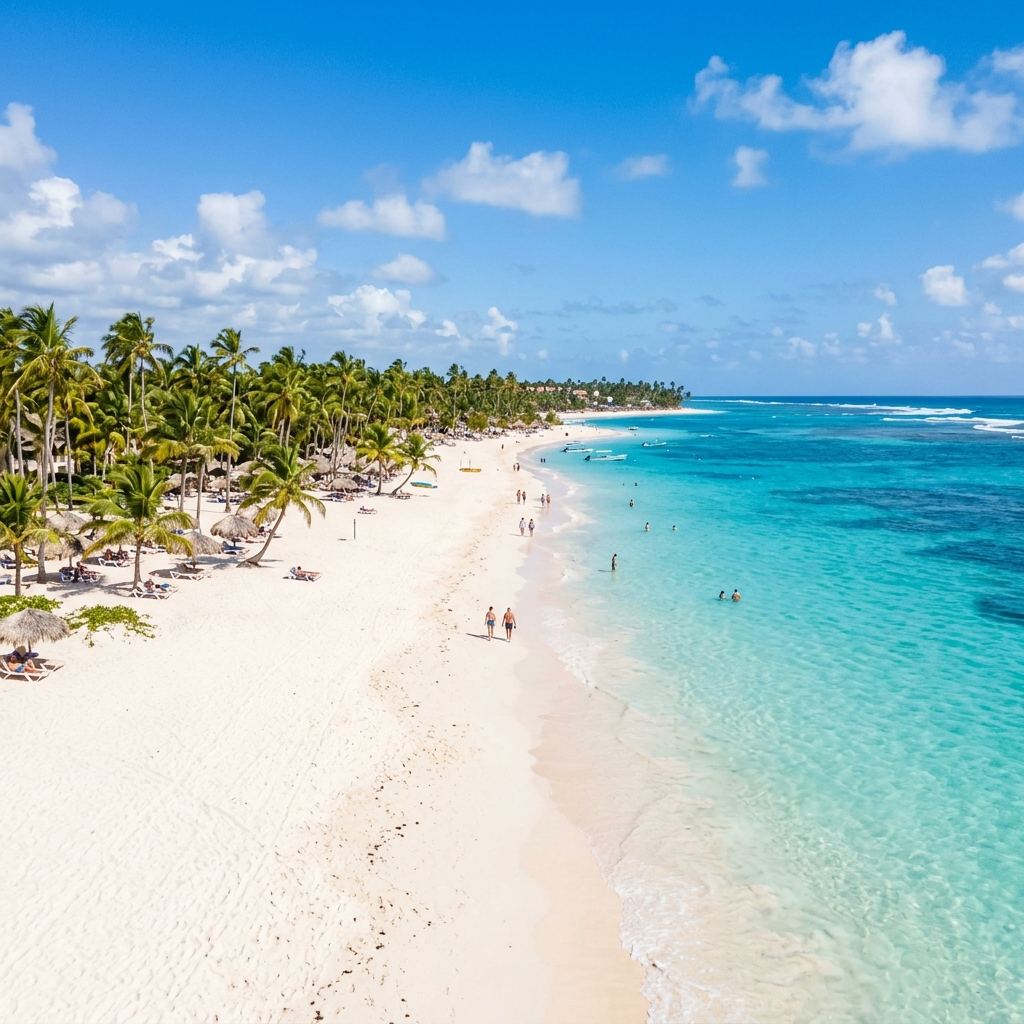
Arena Gorda Beach
The northern Bávaro stretch where the Hard Rock and Riu Palace properties sit, with the same iconic sand and shorter crowds than central Bávaro
Fifty kilometers of reef-protected white sand on the Dominican Republic's eastern tip
Punta Cana is the name most people use for the whole eastern tip of the Dominican Republic, from Uvero Alto in the north down through Macao, Arena Gorda, Bávaro and Cabeza de Toro to Cap Cana in the south. It is the country's busiest beach region, with the largest concentration of all-inclusive resorts in the Caribbean and the country's main international airport (PUJ) less than 30 minutes from most hotels.
The beaches here face east toward the Atlantic, but an offshore reef keeps most of the water calm enough for swimming. The trade-off is sargassum: the east-facing coast catches seaweed drifts in the warmer months, so where you stay and which beach you pick matter more than the brochures suggest.
The northern Bávaro stretch where the Hard Rock and Riu Palace properties sit, with the same iconic sand and shorter crowds than central Bávaro
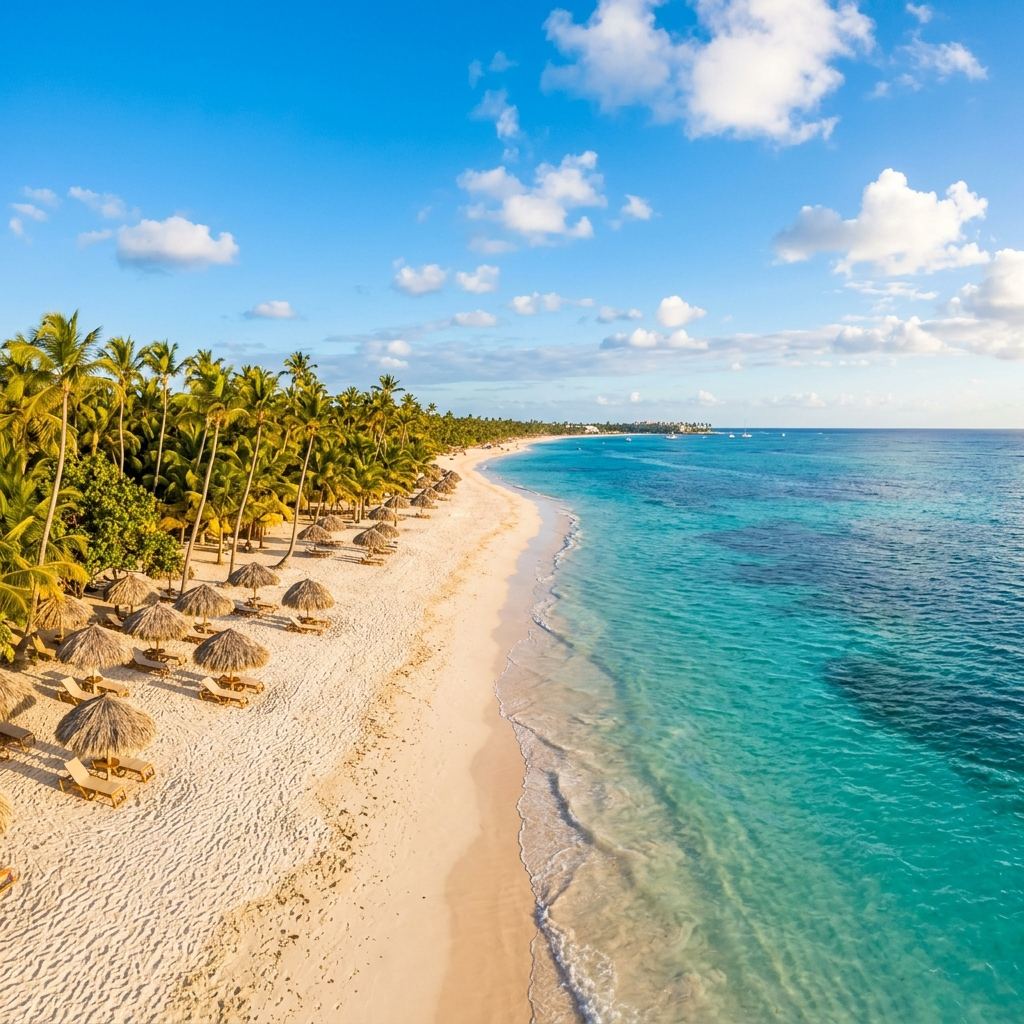
The 30-kilometer stretch of white sand and reef-protected water that put Punta Cana on the map
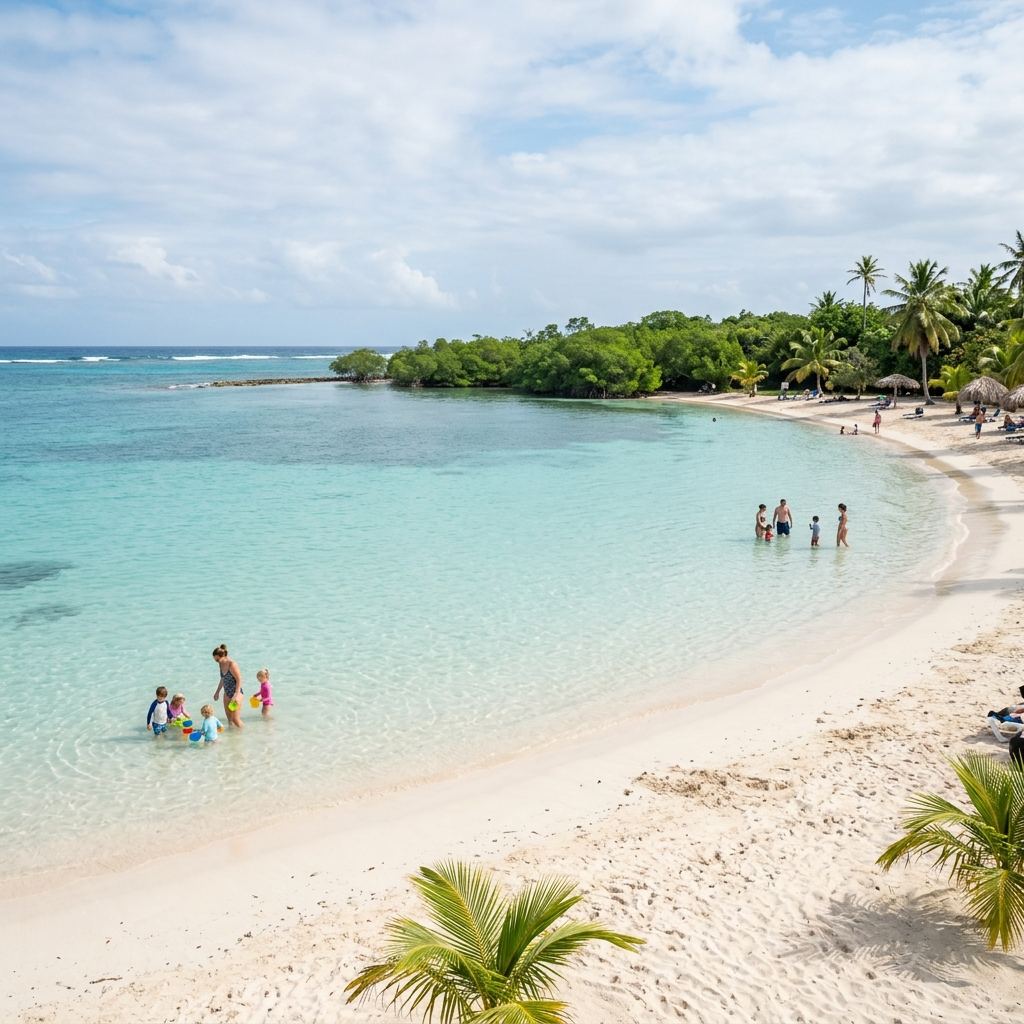
The transitional stretch between central Bávaro and Cap Cana, with calmer water and a quieter feel
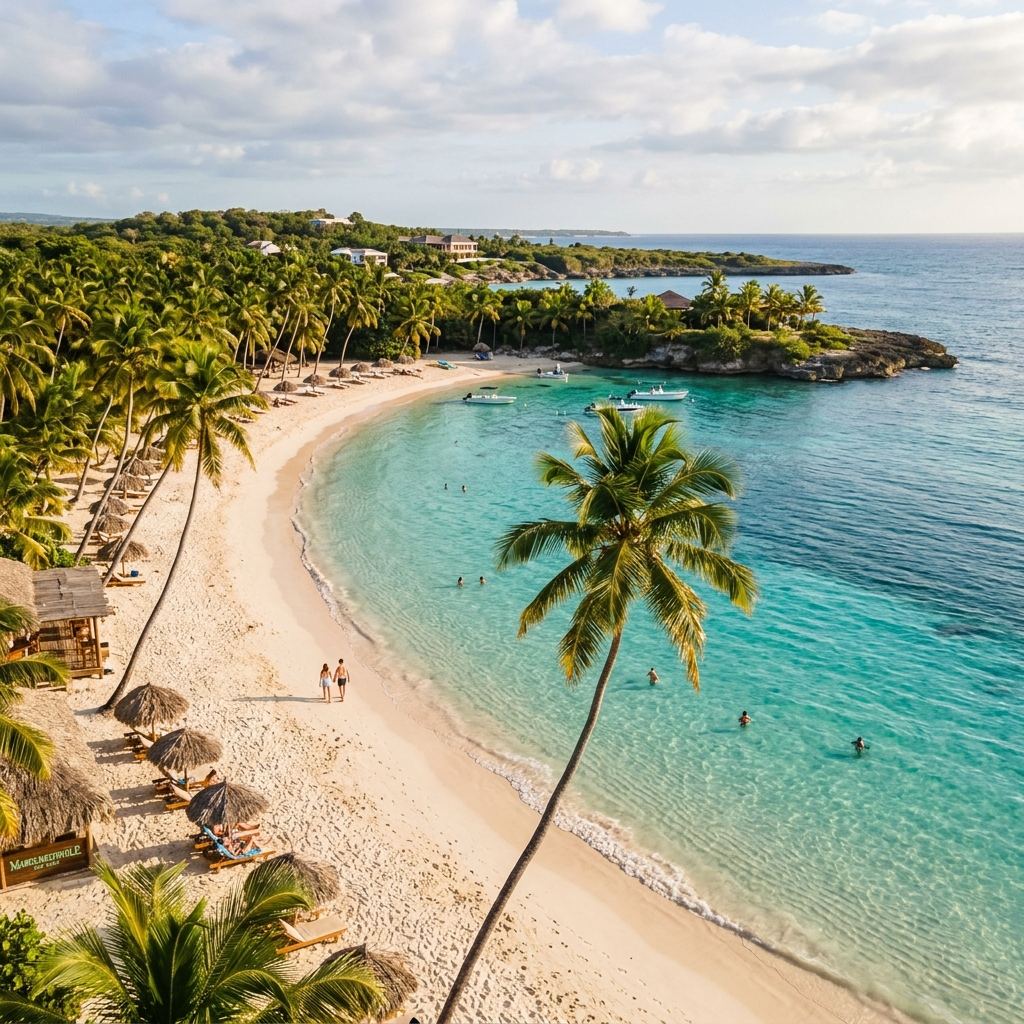
The naturally sheltered crescent in Cap Cana, widely considered the most beautiful beach in the Dominican Republic
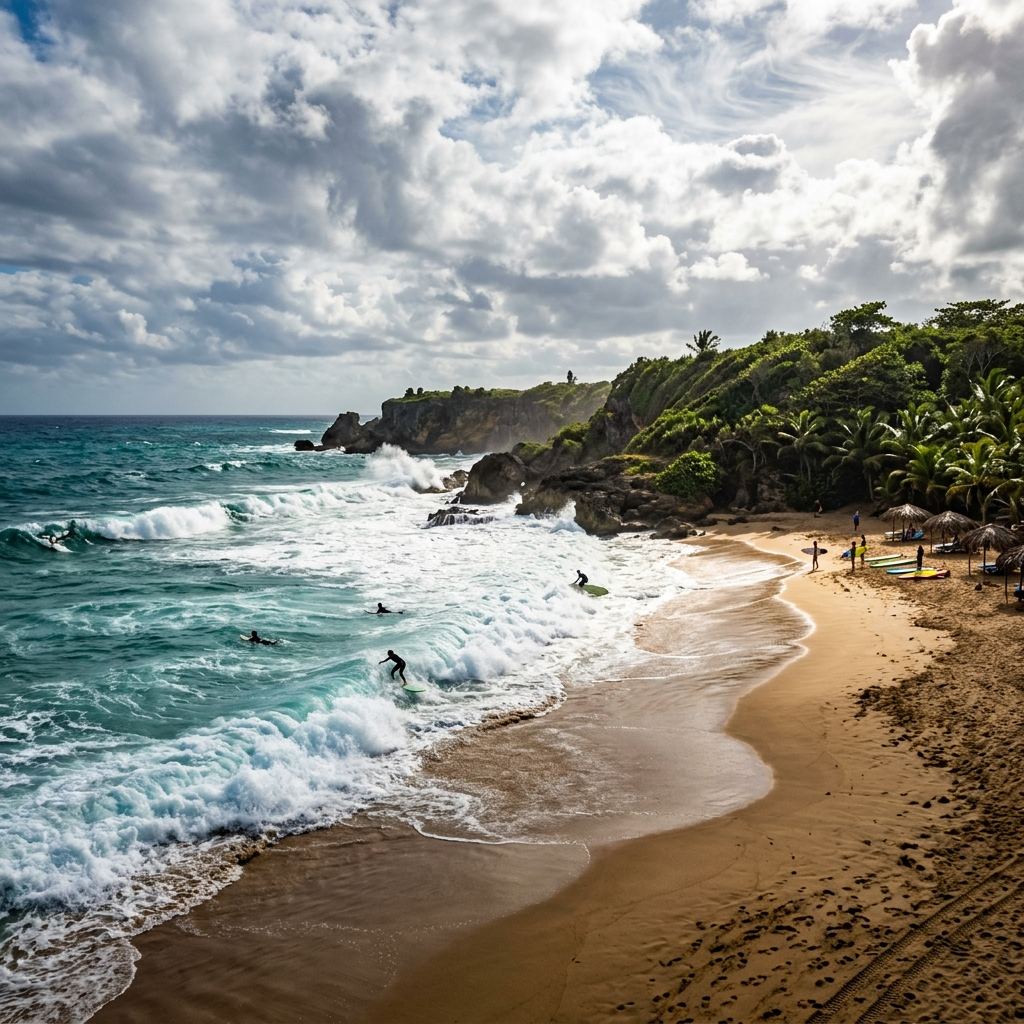
Wild, dramatic, and surfable, the Atlantic-facing alternative to Punta Cana's calm resort beaches
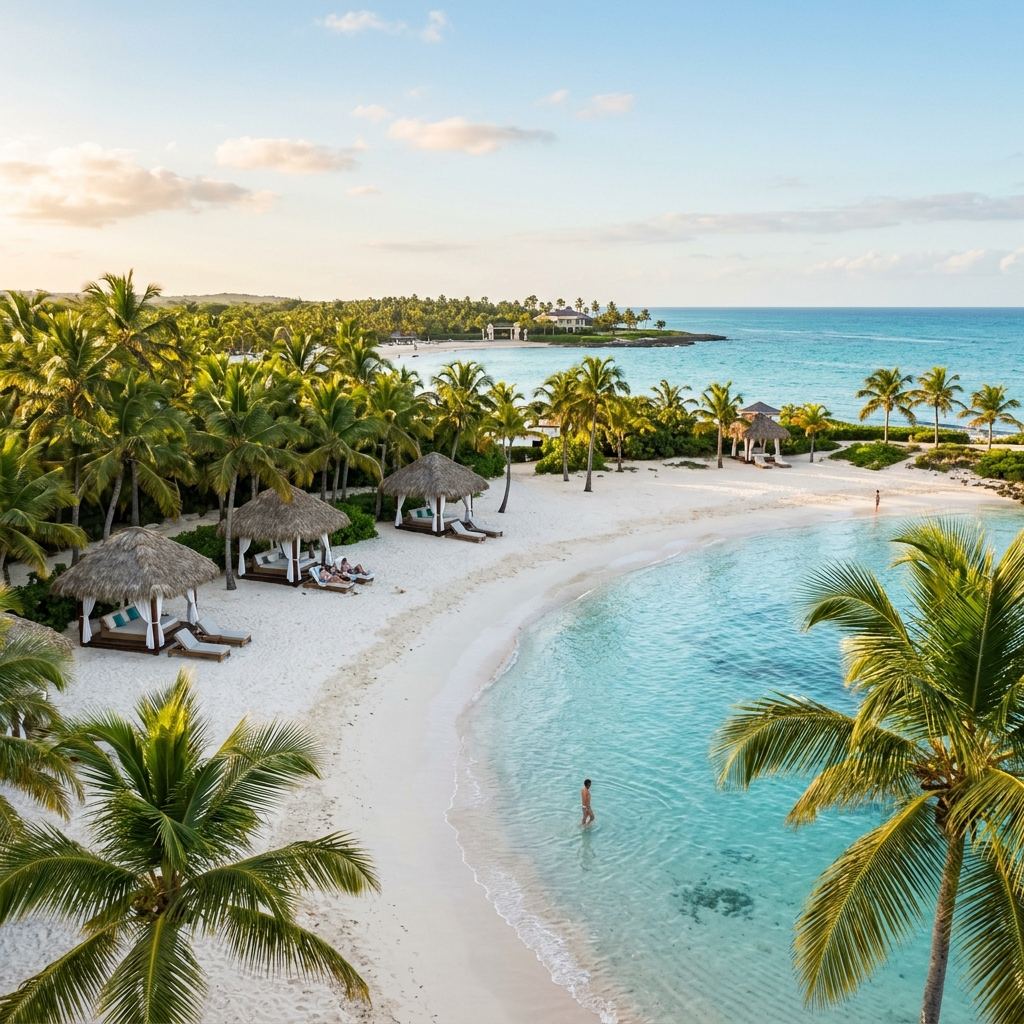
The three-mile stretch of white sand inside Puntacana Resort & Club, accessible to non-resort guests via a $50 day pass that doubles as a food and drink credit
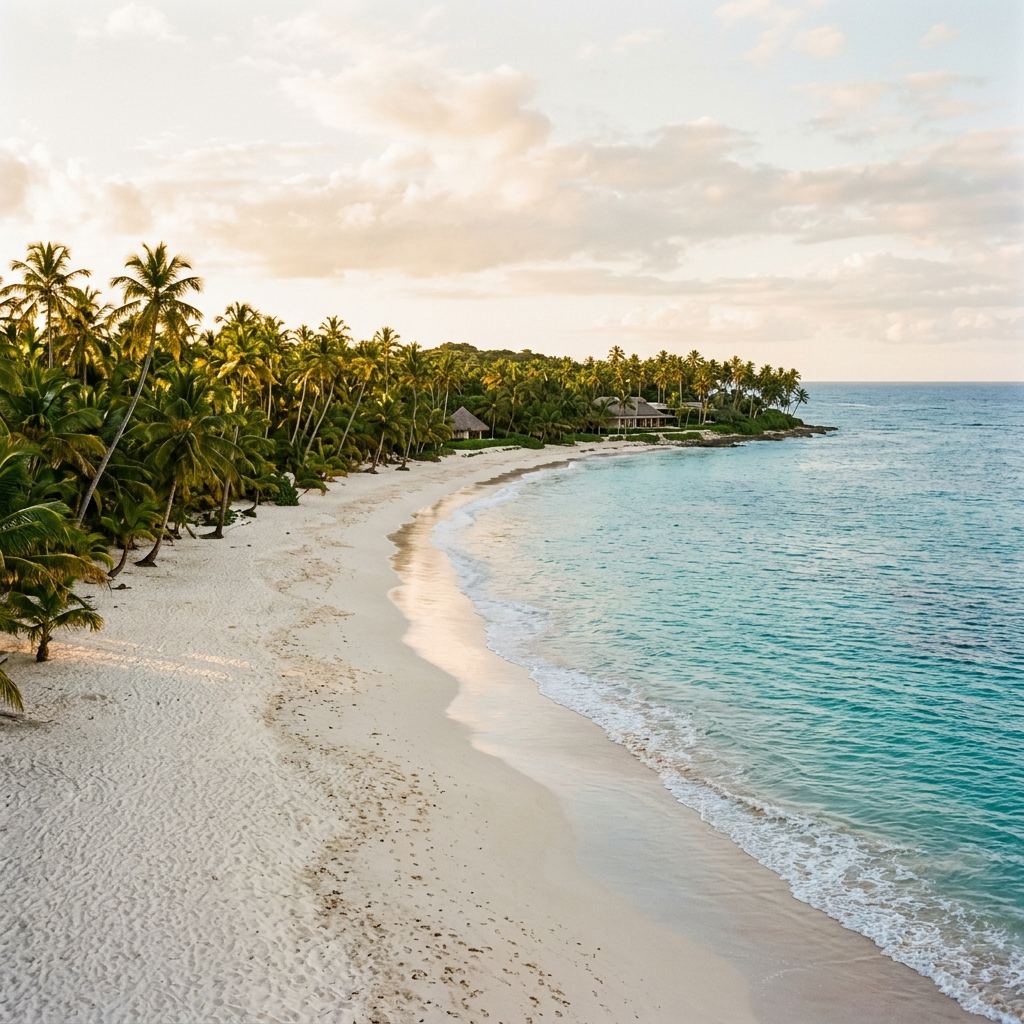
The quietest stretch of Punta Cana's coast, with luxury resorts and far fewer crowds than Bávaro