Scuba Diving in Punta Cana
Reef diving, wreck dives, and PADI training at multiple operators across Bávaro and Cap Cana
About This Activity
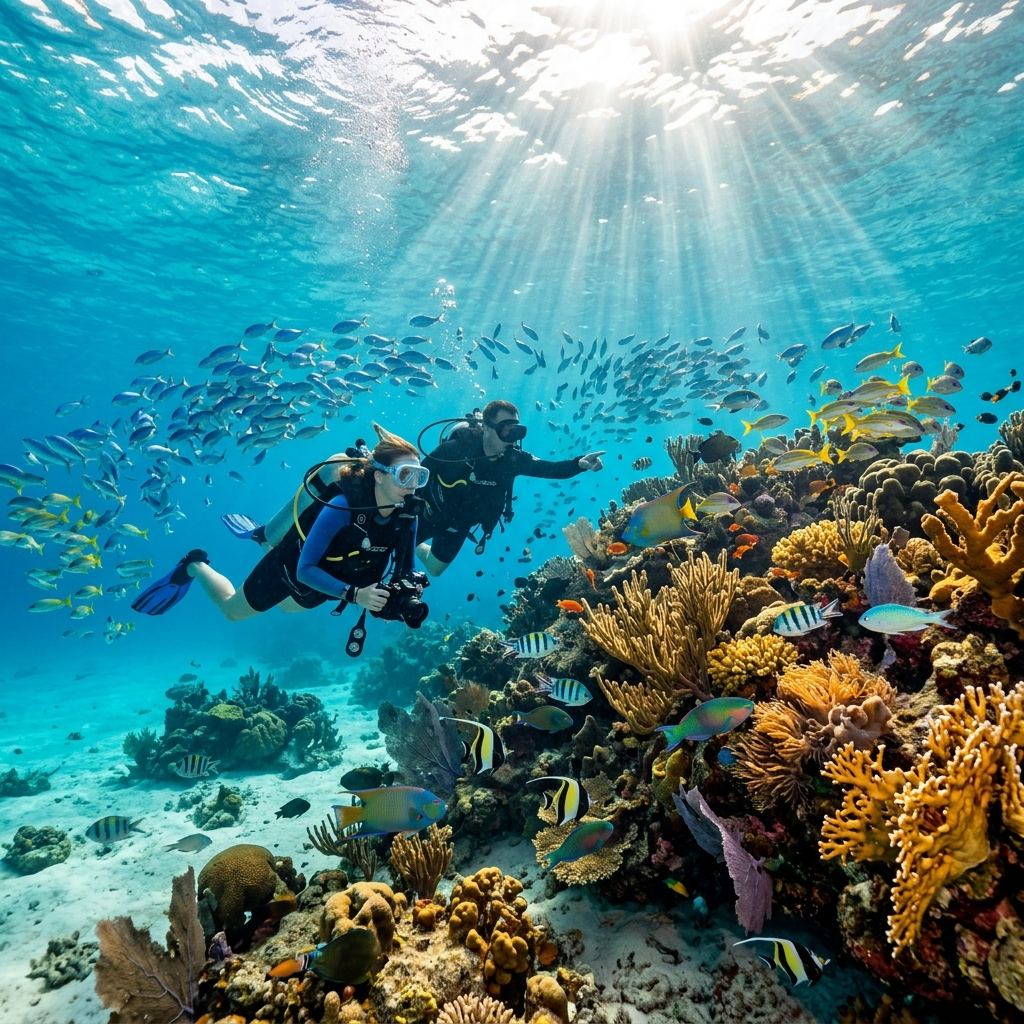
Scuba diving in Punta Cana is genuinely good and underrated by travelers who only think of the area as a beach destination. The eastern Dominican Republic coast hosts the longest coral reef system in the country, a handful of meaningful wrecks, and reliable warm-water conditions year-round. Water temperatures stay between 78 and 84°F (26 to 29°C). Visibility runs 50 to 100 feet typically, with the best conditions December through April during the dry season.
Dive sites cluster into three categories. Reef sites along the Bávaro and Cap Cana coast offer shallow to mid-depth dives (15 to 70 feet) with parrotfish, angelfish, sergeant majors, the occasional sea turtle, and small reef sharks (mostly nurse sharks, harmless to divers). Wreck dives include the Astron, a sunken cargo ship near Bávaro that's the most-visited wreck in the area, plus a few smaller sinkings used for advanced training. Day-trip sites at Catalina Island and Saona Island offer better visibility and richer marine life including healthy coral gardens, schools of barracuda, and frequent stingray and turtle encounters.
Major PADI dive operators in the area include SeaPro Divers (PADI 5-Star center, locations at Bávaro Beach and Playa Blanca near the airport), Dressel Divers (PADI 5-Star, locations beachside near Iberostar properties and at Hard Rock Hotel & Casino), Scubaquatic Punta Cana, and several smaller operations. Most major resorts have on-site dive shops or partnerships with operators.
For non-certified visitors, Discover SCUBA programs offer first-time dive experiences combining a brief in-pool training session with a shallow reef dive. Cost typically $80 to $130 per person. For certified divers, single-tank dives run $50 to $80, two-tank dives $90 to $130, full PADI Open Water certification courses $400 to $550.
Beyond standard dive offerings, more advanced experiences include night dives (some operators offer them with proper certification), specialty courses (deep, wreck, nitrox), and multi-day dive packages for serious divers planning a trip primarily around diving.
Dive insurance considerations matter. DAN (Divers Alert Network) insurance is strongly recommended for any diver who dives more than occasionally. The nearest decompression chamber is in Santo Domingo, not Punta Cana itself, so dive accident response involves hospital evaluation locally followed by transfer to Santo Domingo for chamber treatment if needed.
Who it's best for: certified divers wanting reliable Caribbean conditions, beginners interested in trying scuba (Discover programs are accessible), divers seeking PADI certification during a beach vacation, and travelers wanting an alternative to the standard catamaran-and-snorkeling activity. Who it's not: travelers without insurance and minimal interest in adventure activities, anyone with significant ear or sinus issues, and travelers on very short trips where the dive logistics eat too much vacation time. Best time of year: December through April for clearest visibility; year-round acceptable conditions otherwise.
What's Included
- Tanks and weights
- Boat to dive sites
- Dive guide
- Optional gear rental